
Didn’t get the grades you needed, or missed the main UCAS deadline? The university clearing system gives thousands of students a second chance to secure a place each year – and applying is simpler than you might think. This guide walks you through exactly how Clearing works and how to apply, step by step.
What is Clearing?
Clearing is an additional opportunity for students to find a university place. Each summer, universities use Clearing to fill their remaining places, opening them up to new applicants for the upcoming academic year. It's a useful route if students didn't get the results they expected, missed the application deadline, or changed their mind about their course or university.
When does Clearing start and finish?
University clearing opens in early July and runs until late October, meaning you can start your research weeks before you receive your grades.
Who is eligible to apply through Clearing?
You may be able to apply through the Clearing system if any of the following applies to you:
- You haven’t applied to university through UCAS this year
- You don’t already hold an offer from a university
- You didn’t meet your offer conditions
- You declined your firm choice because you changed your mind about the university or course
If you’re not sure whether you can apply through Clearing, find out more on our .
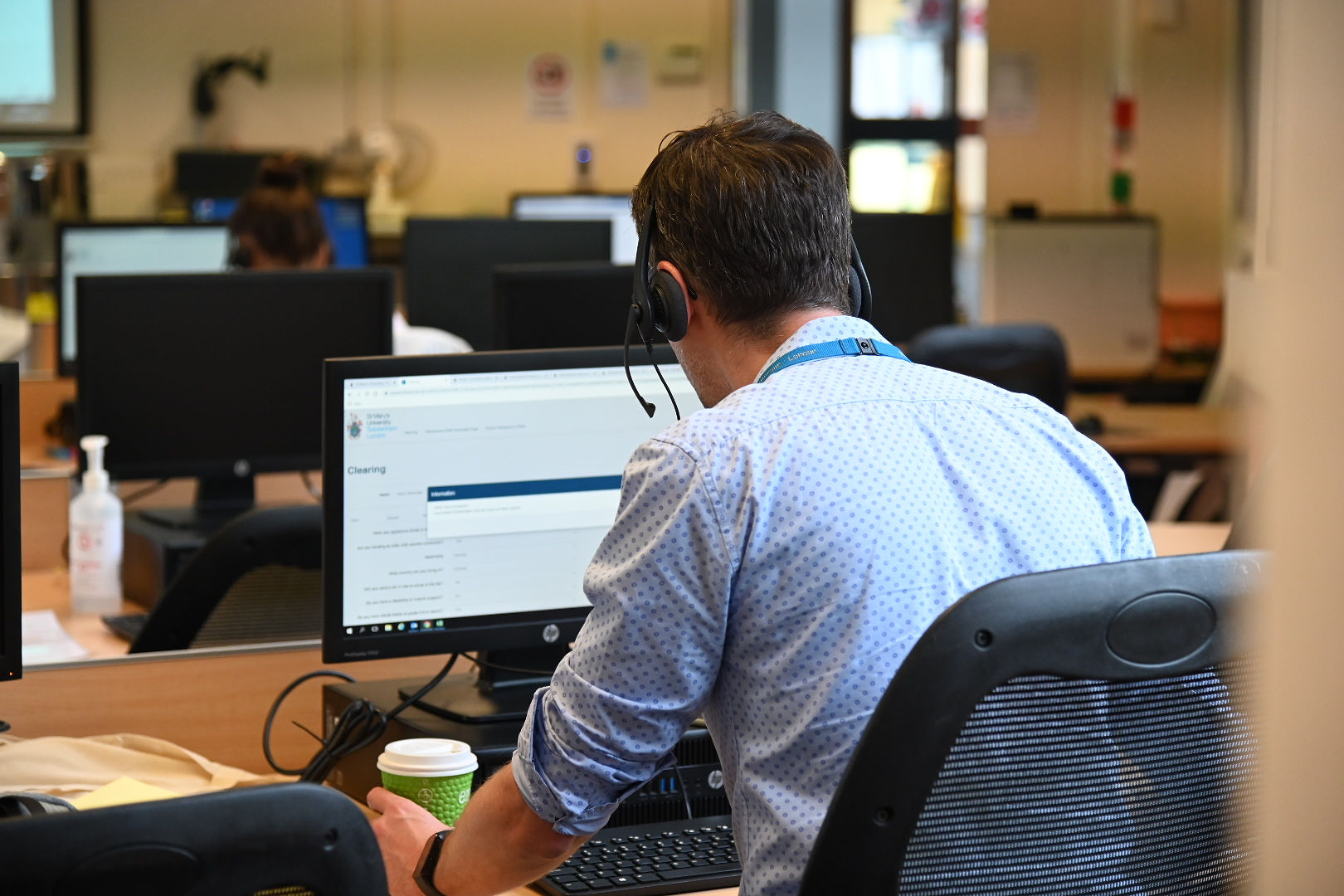
How to apply through university Clearing
If you’re eligible to apply through the Clearing system, you can contact universities at any point during the Clearing period, and they’ll guide you through the process. Here’s how it typically works:
1. Check your exam results
If you’ve already applied through UCAS, log in to UCAS Hub on results day to see whether you’ve met the conditions of your offers. If you’re in Clearing, you’ll see a ‘You are in Clearing’ banner on your account. If you haven’t yet applied to university, go straight to step 2.
2. Find your Clearing number and UCAS Personal ID
Both are shown in your UCAS Hub account. Make a note of them before you start making calls – universities will ask for these to access your application.
3. Research your options
If you already know which university you want to attend, you can directly on their website. Otherwise, the lets you filter available Clearing places by course, subject, or university. Either way, it’s worth building a shortlist before results day so you’re ready to act quickly. You can also use Clearing matches (also known as Clearing Plus) – a UCAS tool that suggests courses based on your original choices, grades, and universities’ entry requirements. Log in to the UCAS website and select ‘See matches’ to explore these.
4. Call the university
Once you’ve identified a course you’re interested in, contact the university. Before you call, have the following to hand:
- Your UCAS Personal ID and Clearing number
- Your highest qualification type (e.g. A-levels, BTEC)
- The subjects you studied and the grades you achieved
The admissions team will talk through your options and help you find the right fit. It’s also worth thinking in advance about why you’re interested in the course – being prepared will help the conversation flow.
Not sure what to expect? This video shows you .
5. Receive and consider your offer
If the university wants to make you an offer, they’ll confirm it verbally over the phone. You don’t have to accept on the spot – take time to consider whether the course and university are right for you. Many universities run around results day, giving you the chance to tour the campus, meet academics, and speak to current students before deciding.
6. Accept your offer through UCAS Hub
When you’re ready to accept, log into UCAS Hub and add the university and course as your Clearing choice. If you’re already holding an offer from another university, you’ll need to decline it before you can accept a new one. The university will then formally confirm your place.
If you’re an international student, the process is slightly different. Find out more about how to apply through .

Preparing for results day
Results day can feel nerve-wracking, but being prepared will help you feel more in control. Here’s what to do in advance:
- Research your options before results day. If you think you might not meet your offer conditions, or you’re considering a change of course or university, put together a shortlist of alternatives with their contact details ready to go.
- you’re interested in. Some universities – including St Mary’s – let you register your interest ahead of time, and they'll contact you on results day rather than you having to call them.
- Have everything ready. Make sure you have your qualifications, UCAS ID, and Clearing number to hand before you start making calls.
- Attend some if you can. Tour the campus, meet academics who teach on the course, and speak to current students.
Find out more about Clearing at St Mary’s
Interested in applying to St Mary’s University through Clearing? Visit our to browse courses ahead of time, or for more information on how Clearing works, read our .