
Returning to education as an adult is never simply about gaining a qualification. For many mature students and parents, it is about rebuilding confidence, creating opportunity, and proving to themselves that their ambitions did not expire the moment life became complicated. Flexible legal education matters because traditional models of higher education were not designed with these students in mind. They were built around the assumption that students are young, financially secure enough to study full-time without interruption, and free from caring responsibilities. The reality for many aspiring lawyers is very different.
Why flexibility matters for mature students
I know this because I lived it.
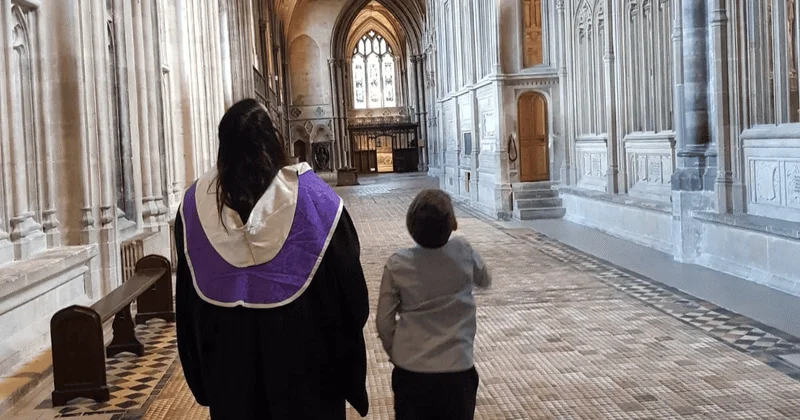
I made the decision to return to university in my early thirties as a single parent. Like many mature students, I was balancing far more than reading lists and deadlines. There were school runs, childcare arrangements, financial pressures, exhaustion, and the constant feeling that there were simply not enough hours in the day. Studying law is demanding at the best of times. Doing it while raising a child alone often felt impossible. Yet flexible education made it possible.
What flexible legal education actually means
is sometimes misunderstood as being “easier” or requiring lower standards. In reality, it is about access. It is about recognising that talent exists beyond the traditional eighteen year old undergraduate experience. Some of the most determined, resilient and professionally capable students are those who have already experienced life outside education. Mature students often bring exceptional communication skills, emotional intelligence, organisation and resilience into the classroom because they have had no choice but to develop them.
For parents in particular, flexibility can determine whether higher education is achievable at all. Small changes matter. Timetabling that recognises caring responsibilities, practical workshop delivery instead of fragmented teaching across multiple days, recorded resources, accessible staff support, and authentic assessments that reflect real-world professional tasks can make the difference between participation and exclusion. Legal education should not require students to choose between their family responsibilities and their future career.
Making law degrees accessible to non-traditional students
There is also something profoundly important about representation within legal education. Historically, the legal profession has often appeared inaccessible to those from non-traditional backgrounds. Parents, mature learners and students returning after long breaks from education can feel like outsiders in spaces that were not originally designed for them. Flexible and inclusive legal education challenges that culture. It sends a message that the profession should reflect the society it serves.
My own experience shaped how I now think about legal education and leadership. I understand what it feels like to sit in a lecture wondering whether you can afford the parking ticket outside, whether your child is okay at school, or whether you will have enough energy to finish the reading after bedtime. Those experiences do not weaken students. They strengthen them. They create lawyers who understand pressure, responsibility, empathy and perseverance in a way that cannot always be taught from a textbook.
That is why practical and flexible legal education matters so deeply to me now. Legal education should open doors, not reinforce barriers. Universities have a responsibility to recognise that students arrive with different lives, different pressures and different starting points. Excellence in legal education is not about preserving outdated models of exclusivity. It is about creating environments where talented people can succeed regardless of age, background or circumstance.
Flexible legal education and social mobility
For many mature students and parents, going to university is not simply a personal achievement. It changes entire families. Children grow up watching their parents study, persist and succeed despite adversity. That has a generational impact. Flexible legal education creates social mobility not only for individual students, but for the families and communities around them.
I did not return to university because the timing was perfect. I returned because I wanted something more for myself and my child. Flexible legal education gave me the opportunity to pursue that ambition. There are countless others with the same potential who simply need a system willing to meet them where they are.
Thinking about returning to study?
At St Mary's, one in five of our students is over 21 when they begin their degree, and they arrive from a wide range of backgrounds and life stages.
We know the first question is usually about time. Teaching patterns vary by course, but many students are on campus two or three days a week for around eight to ten hours in total, and where sessions are repeated across the week you may be able to choose the group that suits you best. Our Student Services team has extensive experience supporting adults returning to education, and there is practical help for parents too – from the Childcare Grant and our Hardship Fund to SIMMSport holiday camps for children aged 5 to 12.
If law is where your ambition lies, our LLB Law degree is built around practical, workplace-ready learning. We have removed in-hall written examinations in favour of assessments that reflect real professional tasks, and we can make contextual offers below our standard entry tariff for applicants who meet our criteria.