
Our PGCE Secondary History course offers you the opportunity to train to teach history within a secondary school setting.
- Trainees will be supported by an experienced tutor who has 20 years' recent classroom teaching experience and is actively involved in research and history education networks.
- Develop an understanding of the place of history in the school curriculum, with an emphasis on practical activities for use in the classroom.
- Excellent partnerships with history organisations at local and national level, including Historic Royal Palaces (HRP) and the Holocaust Educational Trust (HET).
- Seminars and workshops delivered by experts within St Mary’s, visiting lecturers, and education officers, with former St Mary’s trainees and Early Career Teachers (ECTs) also sharing their experiences.
The course covers all aspects of secondary history education, with a strong emphasis on evidence-informed and practical approaches to inclusive planning for diverse learners, ensuring that all pupils make progress.
You are assessed on your ability to teach pupils in the 11-16 age range, but opportunities for A Level teaching are also included in the programme as appropriate.
Why St Mary's
By exploring and engaging with current debates and research in history education, the course aims to equip you with the practical skills needed to confidently teach this dynamic and diverse subject and develop an inclusive pedagogical approach.
Our experienced history tutor works in close partnership with trainees, the PGCE Secondary team, and placement schools, with many former St Mary's trainees progressing into mentoring roles, helping to develop and inspire future history teachers.
Former trainees also deliver seminars that share insights from their PGCE journey, experiences as Early Career Teachers (ECTs), and practical approaches to teaching history in the classroom.
If you wish to study for the Catholic Certificate of Religious Studies, you will be able to complete several of the modules during your PGCE year. This certificate is often a requirement for teaching in a Catholic school.
Qualified Teacher Status (QTS)
Our PGCE programmes include Qualified Teacher Status (QTS) and 60 Master’s degree credits. A large part of the programme is spent in assessed school placements that our School Partnership team will arrange for you, based on your home residential address.
QTS is required to teach in all state-maintained schools in England.
Upcoming webinars and events
Postgraduate events
Join us at a postgraduate event
Career opportunities
The quality of the provision at St Mary’s is valued by our trainees and schools, resulting in high levels of ECT employment in our partnership schools. Employment rates following the PGCE course are frequently over 90% in teaching roles.
On the programme you will study two Master's' modules leading to 60 credits at postgraduate level. You will have the opportunity to further your postgraduate studies in your career as these credits are transferable.
At the end of the PGCE course, you will have the opportunity to complete a three-week placement in a special education setting. This is highly valued by trainee teachers to broaden their understanding of specific learning needs for some learners.
Course content
Modules
Course content is carefully designed to meet the requirements of the Initial Teacher Training Core Content Framework (ITTECF) and is underpinned by research-informed practice.
Please note: it is possible that a module listed on the website will not be able to run due to reasons beyond our control. For more information please refer to our course information disclaimer.
Entry requirements
2:2
Previous degree
We are committed to recruiting trainee teachers who have the 'ability to work in a way that promotes the safety and wellbeing of children and young people.' The interview process will cover the suitability of applicants to work with children and young people.
St Mary's is committed to promoting equality of opportunity and nurturing an inclusive and diverse student population. As such, we welcome applications from all those interested in pursuing an academic programme of study. Throughout the application process and while a student is enrolled at St Mary's, we will ensure that individuals will not be discriminated against based on any of the characteristics protected by the Equality Act 2010.
History PGCE applicants are expected to have a good degree in history (2:2 or above) or a related subject such as politics.
Fees & funding
September 2027
Home
£9,790
International
£19,200
Funding Information
*Please note: The above Home fees for September 2026 are confirmed by the UK Government subject to Parliamentary procedure in early 2026. These fees are annual and may increase as detailed in our tuition fee variation disclaimer.
If you are a Home student joining the PGCE programme you may be eligible for a Government training bursary. The bursary amount is based on the highest previous qualification that you have attained to date.
Information about financing your studies can be found within the Fees & Funding section.
Alumni discount
A 10% tuition fee discount is available for our alumni (undergraduate and PGCE) planning to study this Master's degree. Those studying for a PGDip or PGCert are not eligible for the discount.
Funding
Except for any iQTS courses, you can check on the UK government website to see if you may be eligible for a loan of up to £12,167 to help with course fees and living costs while you study a postgraduate programme.
Home and international students for non-iQTS courses may also be eligible for external sources of funding. International students should check their eligibility for our International Scholarship.
For more information, please look at our postgraduate funding page.
Living costs
A guide to your living costs has been created by our Student Funding Team.
Accommodation costs vary depending on whether you opt for an en suite room and on-site catering. Take a look at our accommodation options and the prices you can expect to pay.
How the degree is taught
Assessment methods
Trainees are recommended for Qualified Teacher Status by successfully meeting the Teachers’ Standards (DfE). Continuous assessment throughout the programme will determine success.
Master's level assignments complement the work in schools and assist in meeting the Teachers’ Standards. These assignments aim to encourage you to be thoughtful and reflective, but also reinforce the evidence-based nature of the course assessment.
Self-assessment is also recognised as a valuable perspective in the evaluation of both school and university-based work.
Other assessments are used to ensure students understand and can apply the knowledge. This is done through a range of methods:
- Self-assessment
- Presentations
- Micro-teaching
- Essays
- Practical sessions
- Lesson observations
Assessment is on-going and against the Teachers’ Standards. High standards of attendance, punctuality and participation are requirements of all course elements.
Who teaches this course?
Apply now
September
Make sure to check our step-by-step guide to application process.
More from St Mary's

We have a range of webinars and events to help you decide whether St Mary's is the place for you.

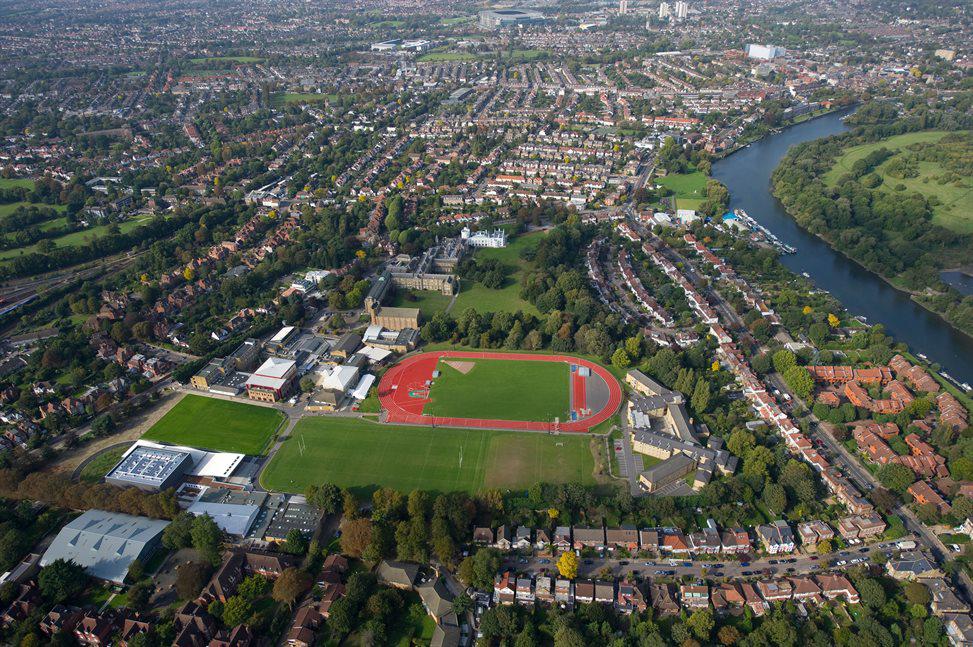
Discover what life is like on our London campus.